
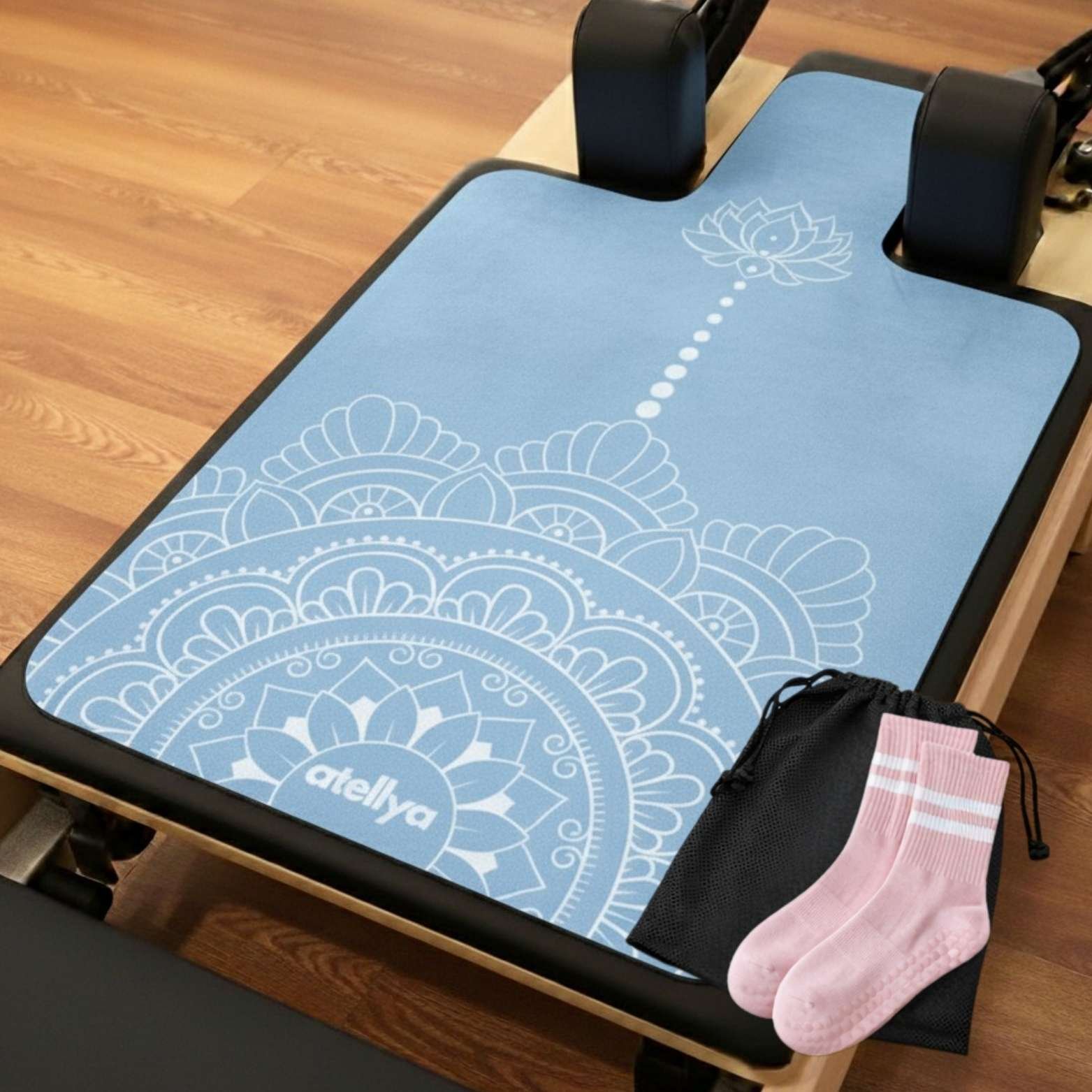
Best Non-Slip Reformer Mat for Safer Home Workouts
Updated on: 2025-12-11
Choosing the right support for your reformer practice can feel delicate, especially if you want more traction, comfort, and a cleaner surface. This guide explains how a non-slip reformer mat supports stable movement, gentle cushioning, and easy care—without complicating your routine. You will find practical criteria, helpful care tips, and links to explore options that fit your studio or home setup. The goal is to help you feel calm and confident on the carriage so your focus stays on breath, alignment, and flow.
- 1. Introduction
- 2. Benefits & Reasons of a non-slip reformer mat
- 3. FAQ
- 4. Final Thoughts & Recommendations
- 5. About the Author
Introduction
A thoughtful mat choice can bring ease to every session. When the surface under your hands and feet feels secure, it is simpler to explore transitions, maintain alignment, and enjoy a steadier flow. A good grip layer also helps when your class heats up or your hands become a bit damp. Beyond traction, many practitioners appreciate a cleaner barrier between themselves and the carriage, as well as a little extra cushioning for comfort. In the sections below, you will find gentle guidance to select a grippy reformer cover that blends well with your routine and supports mindful movement over time.
Benefits & Reasons of a non-slip reformer mat
A reliable grip layer can make each movement feel smoother. With extra traction, your hands and feet tend to settle with less effort, which may support steadier planks, lunges, and footwork. While the reformer carriage already provides a stable platform, a dedicated mat adds a textured surface that helps you feel composed as you transition between exercises.
Comfort matters too. A slim, well-cushioned surface can soften contact points without feeling bulky. This is especially welcome during kneeling or forearm work, where you might appreciate a gentle buffer yet still want to sense the carriage for feedback.
Hygiene is another common reason to use a grip mat. A dedicated top layer creates a tidy barrier between you and the carriage. Many mats are easy to wipe down, which can simplify post-class clean-up and help keep your equipment feeling fresh day after day.
Below are key considerations to guide your choice:
- Surface traction: Look for a fine-texture or micro-dot surface for confident grip without tackiness. This kind of detail can help your hands and feet stay in place through dynamic sequences.
- Balanced cushioning: A low-profile thickness often works best. It can soften pressure points while preserving a close connection to the carriage, so alignment cues still feel clear.
- Stable underside: A grippy base helps the mat stay put on the carriage, reducing bunching or shifting during transitions.
- Easy care: Choose materials that are simple to wipe clean with mild soap and water. Quick-dry surfaces can be convenient if you attend back-to-back classes.
- Precise fit: Dimensions that align with your reformer’s carriage help the mat lie flat, including around shoulder blocks. A neat edge and consistent thickness support a clean look and feel.
- Durable build: Reinforced edges and tear-resistant construction can support regular use at home or in a studio.
- Style you enjoy: Color and pattern can be a gentle source of motivation. A mat that feels like yours may make daily practice more inviting.
If you appreciate calm, ocean-inspired tones, you might like the Melbourne Blue mat, which pairs a serene look with a confident grip feel. For a brighter touch, the Sydney Pink mat brings playful color while maintaining a stable surface for hands and feet. Those who prefer a fresh, green palette may enjoy the Florida Green mat, designed for steady traction with easy, quick cleaning after class.
When comparing options, it may help to consider how you move most often:
- For flowing, faster-paced sessions: A textured top with a dry-grip feel can support quick transitions.
- For slower strength work: Slightly more cushioning may help during kneeling or forearm sequences.
- For shared equipment: A wipe-clean surface and stable fit add peace of mind when multiple people use the same reformer.
Finally, it is nice to have flexibility as your routine evolves. You can start with one style and adjust over time. If you would like to see a broad overview of colors and textures, you can shop all mats and compare finishes that align with your space and practice.
FAQ
How do I choose the right size and thickness?
Begin by checking your reformer’s carriage length and width, including the space between shoulder blocks. A well-sized mat should lie flat without covering important features or bunching at the edges. For thickness, many practitioners prefer a low-profile design that softens contact points while preserving a grounded feel. If you often kneel or place forearms on the carriage, a slightly cushioned surface can be helpful, provided it still allows clear feedback for alignment. When in doubt, choose the option that balances comfort with stability so your movement remains calm and precise.
Will a grip mat fit different reformer brands?
Many mats are designed to work across common carriage dimensions, but it is still best to confirm measurements. Look for a product page that lists exact length and width. If your reformer has unique shoulder block placements or an extra-wide carriage, verify that the mat’s cutout or edge shape will sit neatly around hardware. Some styles are more universal, while others are tailored. Reading the size details and comparing them with your equipment will help you feel confident that the mat will fit smoothly from the first session.
How do I clean and care for it?
Most grip surfaces respond well to a light wipe after class. Use a soft cloth dampened with water and a small amount of mild soap. Avoid harsh chemicals or rough scrubbing, as these can affect texture over time. Let the mat air dry fully before rolling or storing it flat on the carriage. If you prefer routine deep cleans, check the brand’s care guidance for drying times and compatible cleaners. Consistent, gentle care supports both hygiene and long-term feel, so your mat remains fresh and steady through daily use.
Final Thoughts & Recommendations
A supportive surface can make your practice feel more centered. With a mat that blends steady traction, simple care, and a comfortable touch, you may find it easier to stay present in each movement. If you enjoy a balanced, nature-inspired finish, consider exploring the green palette of the Florida Green mat. If you prefer gentle color with a bright accent, the Sydney Pink mat may suit your space. Whichever you choose, a thoughtfully designed non-slip reformer mat can help you feel calm and supported as you move.
About the Author
Atellya is a friendly team focused on thoughtful Pilates accessories and studio-ready grip mats. We care about calm design, steady traction, and simple care that supports daily movement. Our expertise centers on reformer-fit mats with balanced cushioning and reliable grip. Thank you for reading—wishing you a comfortable, mindful practice.